🔍 Choosing a Caster
Who Is the Best Love Spell Caster in America?
Best lists are mostly paid placement. Here is how to judge any practitioner yourself, then how my own practice measures up to the same test.
Type “best love spell caster in America” into a search box and you’ll get a parade of lists, ratings and bold claims. Every page crowns a winner, and the winners rarely agree. That should make you suspicious, and it should also make you ask a better question: how would I tell a good practitioner from a bad one, whoever’s name is on the list?
I can’t answer “who is the best?” for you, and neither can any website. What I can do is teach you how to judge. This guide gives you eight criteria you can apply to any practitioner, a table of green and red flags, a list of questions to ask in a first conversation, and an honest look at how my own practice measures up against the same test. You can then decide for yourself.
I’m Baba Ali. I’ve worked in the Senegalese ancestral tradition I was taught for more than 30 years, and I’ve also spent a long time listening to people who were burned by someone else. That listening shaped everything below.
Quick answer
No one can honestly name the best love spell caster in America, because “best” lists are mostly paid placement. Judge any practitioner by eight things: a clear identity, questions before promises, honesty about limits, transparent money, respect for free will, a safe process, verifiable reviews, and willingness to let you walk away.
Key takeaways
- “Best caster” rankings are rarely independent, and many are paid for.
- A good practitioner asks questions, explains the work and refuses harm.
- Pressure, promised results and secrecy about money are the clearest red flags.
- A free first conversation is the cheapest way to test someone.
- You can apply these same criteria to my practice, and I’d encourage you to.
Last reviewed: November 2026 by Baba Ali
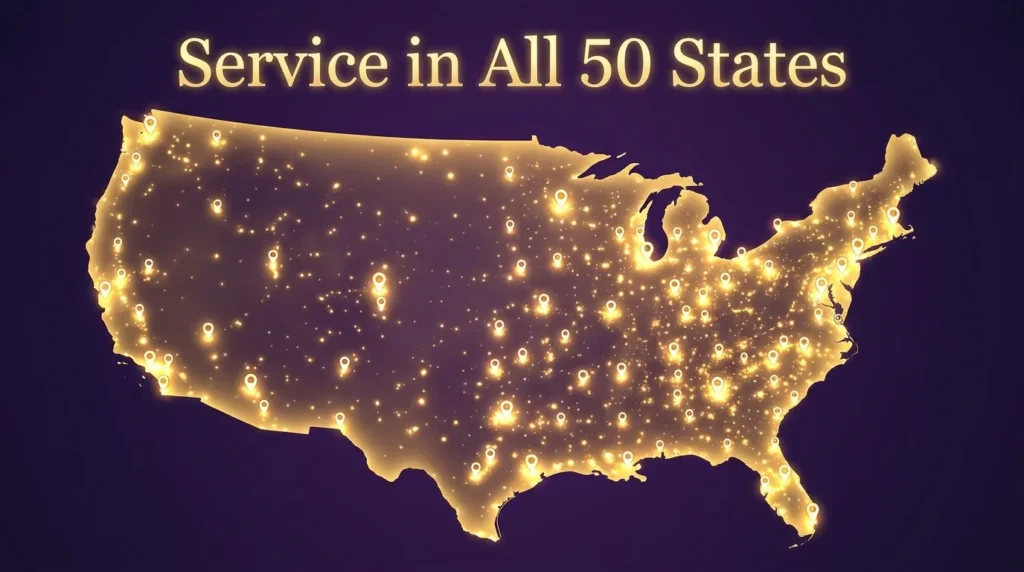
Who is the best love spell caster in America?
Nobody can be named as the best love spell caster in America with any honesty. There’s no independent body that tests practitioners, no standard exam and no audited record of results. Any list that claims to rank casters is relying on opinion, advertising or affiliate payments.
That sounds bleak, but it’s useful. It tells you where not to put your trust. A rank on a website isn’t evidence of skill. A badge that says “top rated” may have cost the owner a monthly fee. And a long list of five-star reviews can be written, bought or copied.
What’s left is something more reliable than a ranking: your own judgment, armed with the right questions. People who choose well don’t find the “best” practitioner. They find an honest one, they test them, and they walk away when something feels wrong. The rest of this guide helps you do that.
Why do “best caster” lists mislead?
Best-caster lists mislead because most are built to sell, not to inform. Here are the common ways.
Paid placement is the first. A directory or blog lists casters in the order of who paid the most, and doesn’t say so. The number-one slot may simply be the highest bidder.
Affiliate arrangements are another. The writer earns a commission when you click through and book, so their incentive is to send you to someone, not to the right someone.
Self-published lists are a third. A practitioner writes an article that ranks themselves first, or has a friend do it. Titles like “Top 10 Casters in the USA” can come from a single business.
Manufactured reviews round it out. Reviews can be written by the owner, bought from a service, or copied from other sites. Photos of smiling clients may be stock images.
None of this means every list is dishonest. Some are written in good faith. But the signals you’d need to tell the difference, such as who paid, who tested and who gained, are almost never shown. Treat any ranking as an advertisement until you have reason to think otherwise. My page on verified love spell caster reviews explains how to spot real ones.
The eight criteria for judging any love spell caster
These eight criteria work for any practitioner, including me. Score each one yes, no or unclear. A good practitioner scores yes on most and has a straight answer for the rest.
CRITERION 01A clear, consistent identity
You can tell who this person is. There’s a name, a phone number that connects to a human, and contact details that stay the same across their site, profile and messages. A practitioner who hides behind a brand with no face or number may have reasons, and I’d still want to know them.
Do a quick check. Search the name. Look for a consistent history over time. Call the number and see who answers.
CRITERION 02Questions before promises
A good practitioner asks about you before saying what they’ll do. They want to know what happened, what you hope for, who else is involved and how you’re coping. A practitioner who promises results before asking a single question is selling, not helping.
CRITERION 03Honesty about limits
Ask what the work can’t do. A trustworthy answer includes some version of: it can’t force a person, it can’t guarantee a result, and it can’t replace medical, legal or mental health care. If you hear “a sure thing” or “100 percent,” walk away.
CRITERION 04Transparent money
You know what you’re paying for, in advance, in writing. Costs are itemized. There’s no pressure to pay on the spot, no sudden new fees mid-process and no payment by gift card, wire or cryptocurrency. My guides on paying a spell caster online and what to do if a caster asks for money upfront go deeper.
CRITERION 05Respect for free will
Ask whether they do work meant to force someone or to break up a couple. A good practitioner says no, and explains why. If they’ll do anything for a fee, they’re telling you how little they value the other person’s choice, and yours.
CRITERION 06A safe, explained process
You’re told what will happen, how long it takes and what you need to do. You’re not asked to send photos of other people or personal documents, or to keep secrets from your family. Nothing is done in a hurry.
CRITERION 07Reviews you can verify
Reviews exist on more than one independent platform, they vary in tone and detail, and some mention things that didn’t go perfectly. Copy-pasted phrases, vague praise and stock-photo faces are warnings. I explain how to read them in the next section.
CRITERION 08Freedom to walk away
You can say no, and nothing bad happens. There’s a free first conversation or a clear way to ask questions without paying. The practitioner doesn’t threaten you with curses, bad luck or “wasted energy” if you leave.
What are the green and red flags at a glance?
This table puts the signals side by side. Use it as a checklist when you read a website or take a first call.
| Area | Green flag | Red flag |
|---|---|---|
| Identity | Real name, working phone, consistent details | No name, no number, details that change |
| First contact | Questions about you and your situation | Instant promises before any question |
| Claims | Honest limits, “I can’t guarantee” | “A sure thing,” “100 percent,” “overnight” |
| Money | Itemized, in writing, no pressure | Gift cards, crypto, new fees mid-way |
| Ethics | Refuses force, harm and breaking up couples | Does anything for a fee |
| Fear | Calm, explains options | “You’re cursed,” urgent deadlines |
| Reviews | Varied, detailed, on independent sites | Identical phrases, stock photos, only five stars |
| Exit | Free first talk, easy to say no | Threats if you leave |
If you spot two or more red flags, I’d pause. If you spot a red flag around money or fear, I’d leave. These two are the heart of most scams, and my page on how to tell a love spell caster is a scam lists the full eight signs.
What should you ask in a first conversation?
Ask direct questions and listen for direct answers. A good practitioner is glad to be tested. Here are the ten I’d bring to any first call.
- What exactly will you do, and how long will it take?
- What can’t this work do?
- Do you guarantee results? (Listen for a clear no.)
- What does it cost, in total, and what does the money cover?
- How do you accept payment, and is there a refund or cancellation policy in writing?
- Will you do work to force someone’s feelings or to separate a couple?
- What do you need from me, and what will you never ask for?
- How long have you practiced, and in which tradition?
- Where can I read independent reviews?
- What happens if I decide not to go ahead?
Notice how the person answers as much as what they say. Calm, clear, unhurried answers are a good sign. Vague answers, defensiveness or pressure are not. If they change the subject whenever money comes up, treat that as an answer too.
Take notes during the call, and give yourself a day before you decide. A real practitioner will understand. For a walk through what a good first session looks like, read what to expect from a spell caster consultation, and see my page on how to find a love spell caster for checks to do beforehand.
The best practitioner for you is the one who tells you the truth, even when it costs them the booking.Baba Ali
How should you read reviews and testimonials?
Read reviews as clues, not proof. A single glowing review tells you very little, and a pattern across independent sites tells you more. Here’s how I’d read them.
Look for variety. Real clients write differently: some are short, some long, some wordy, some blunt. A wall of reviews with the same phrases and the same rhythm often comes from one author.
Look for detail. A review that describes what happened, how long it took and what the client did themselves is more believable than “amazing, highly recommend.”
Look for nuance. A set of reviews with a few mixed or critical comments, and a reasonable response from the practitioner, is often more honest than a perfect score.
Check the source. Reviews on the practitioner’s own site are marketing. Reviews on independent platforms are better but can still be gamed. Look at several.
Be careful with photos. Smiling headshots next to testimonials may be stock images, and you can’t verify them. A photo proves nothing about the words beside it. If a site relies on pictures of happy people, ask yourself what a real, checkable detail would look like.
And don’t be swayed by results stories that sound too tidy. Real life is messy, and honest accounts usually say so.
A word on safety
Never send photos of other people, ID documents, banking passwords or gift cards to a practitioner. If someone pressures you, threatens a curse or demands payment right now, stop and talk to a trusted friend. If you’ve already paid and feel scammed, report it at reportfraud.ftc.gov. If you’re in crisis, call or text 988 in the US.
Does it matter whether a caster is local or online?
It matters less than most people think. Location has no bearing on skill, and a practitioner near you isn’t automatically better than one far away. What matters is whether you can reach them, check them and trust them.
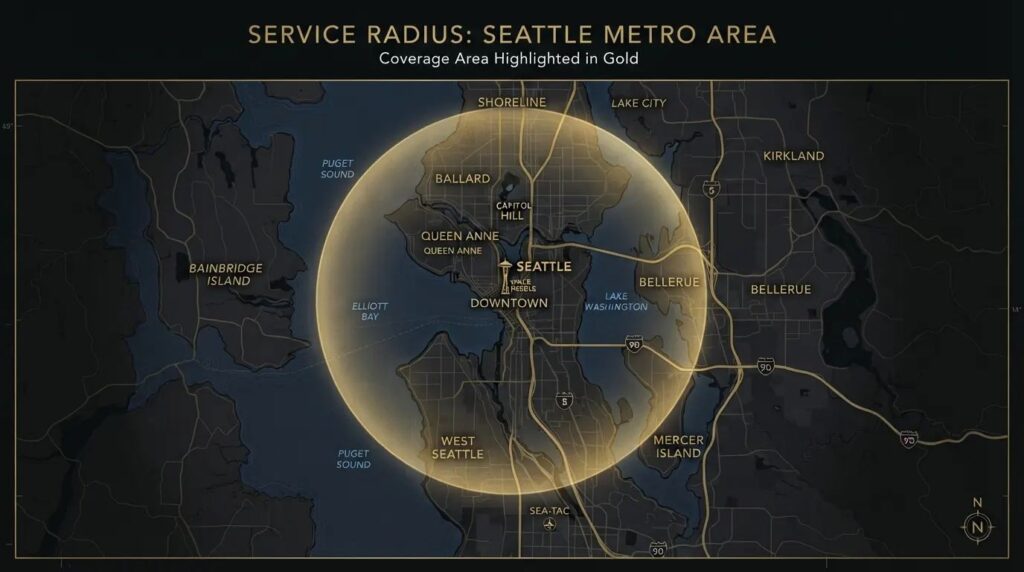
Phrases like “spell caster near me” and “best in your city” are search habits. They do help if you want to meet in person. For remote work, a consultation by phone or message, followed by ritual work prepared by the practitioner, is normal. My guide on local versus online love spell casters weighs the trade-offs, and my page on love spell caster locations shows where I offer remote consultations.
If you do choose someone local, the same eight criteria apply. A storefront isn’t a guarantee of honesty. And if you choose someone online, make sure you can reach a real person by phone before any money moves. For a closer look at whether distance matters for the work itself, read can a love spell work over long distance.
What should you think about claims like “number one” or “world’s best”?
Treat superlatives as marketing. Any practitioner who calls themselves the best, the most powerful or the top-rated in the country is making a claim nobody can verify. A person who truly believes in their work usually describes what they do, how they do it and what they won’t do, and lets you decide.
Be doubly careful with awards and badges. Some are real, and many are bought. If a site shows a row of logos, ask what each one means, who gives it and whether it can be checked. If the answer is vague, discount it.
I also avoid superlatives about myself. It’s one reason this guide doesn’t crown anyone. If you want reassurance about me, I’d rather you test me against the criteria above than take my word for it.
How does my own practice measure up?
You should judge me by the same eight criteria, so here’s a plain account. I’ll stick to facts you can check and to what I do and don’t do.
I’ve practiced for more than 30 years in the Senegalese ancestral tradition I was taught. I’ve worked with more than 5,000 couples who were reunited. My phone number is (210) 651-2737 and a real person answers. You can read about my background on the credentials page.
I start with questions, always. I tell people what the work can and can’t do, and I don’t guarantee results, because nobody honest can. The ritual work I do finishes within three to seven days, and what happens in a person’s life runs on its own clock.
On money, I don’t charge for the spiritual work. In my tradition it isn’t done, so the client covers only the materials needed for their specific situation, and any gratitude afterward is a free-will gift. You can read the details on my pricing page and in my guide on how much a love spell costs.
I won’t do work meant to force a person, deceive them or harm them, and I won’t break up a couple. My ethical practice page sets out these limits. And you can walk away at any point, with no penalty and no threats.
The easiest way to test me is the free 30-minute consultation. Bring the ten questions above. My consultation process page shows what happens in that first conversation. If my answers don’t satisfy you, don’t book anything, and look at someone else with the same checklist.
Test me with your own questions
Bring the ten questions from this guide and ask anything you like. The first 30 minutes are free, there’s no obligation, and if any ritual work follows, you cover only the materials.

What do the most common scam patterns look like?
Knowing the patterns helps you spot them early. The first is the escalating fee. You pay for a first step, and then you’re told the work hit an obstacle that costs more to clear. Then another. Each request comes with fresh urgency and a reason to pay today. Real work doesn’t change price halfway through without a clear, written explanation.
Next comes the curse pivot. You contact someone about a breakup, and they tell you a curse or dark force is the reason, and only they can remove it. That fear is the product. Rule out ordinary causes first, and see a doctor or counselor if you feel unwell. My guide on how to tell if someone is under a binding spell explains how to check.
Then there’s the secrecy demand. You’re asked not to tell your family, not to see a doctor, or not to talk to anyone else about the work. Isolation protects the scammer and costs you your best defenders.
The fourth is the identity gap. The name changes between messages, the phone is always “unavailable,” and the photo looks like a stock image. If you can’t confirm who you’re dealing with, don’t pay.
The fifth is the untraceable payment. Gift cards, wire transfers, cash apps and cryptocurrency are hard to reverse. A practitioner who insists on them is asking you to give up your safety net. My guide on love spell casters with no upfront payment describes a different model.
If you see any of these, stop and step back. Tell a friend. Take a day. Real help can wait twenty-four hours, and a scam can’t.
How do you make the final decision?
Make the decision slowly and in writing. Take your notes from the first call and score each of the eight criteria: yes, no or unclear. Add a line about how you felt during the conversation. Sleep on it.
If you have more than two “no” scores, move on. If you have “unclear” scores, ask follow-up questions in writing and see how the practitioner responds. Honest people answer plainly. If you feel pressure to decide before you’re ready, that’s your answer.
It’s worth talking to two or three practitioners before you commit. Compare how they treat your questions, and weigh that alongside their prices or promises. If everyone you speak to says the same impressive things in the same words, be careful. Real people sound different from scripts.
Finally, consider what you want from the practitioner. Do you want a ritual, a reading, a conversation or a plan? Some of what people want from a spell caster is a steady, honest voice at a hard time, and a good practitioner can provide that without a single candle. If what you need is counseling, a therapist may serve you better. A good spell caster will tell you so.
What mistakes do people make when choosing?
The mistakes are common and avoidable. Choosing in a panic is the biggest. Desperation makes any confident voice sound trustworthy. If you’re in pain, tell a friend what you’re considering and wait a day.
Trusting the first search result is another. Search order reflects marketing, not merit. Look further.
Paying before asking is a third. If you’ve sent money before you’ve asked your questions, you’ve given away your strongest position.
Believing the fear is a fourth. “You’re cursed” and “act now” are sales lines, and they work because pain makes us believe them.
Comparing on price alone is a fifth. A cheap offer can hide fees, and an expensive one can hide nothing. Look at what’s promised, what’s explained and how you’re treated.
And keeping the whole thing secret from everyone you trust is the sixth. Scams thrive on isolation. Tell a friend. If they raise concerns, listen.
Frequently asked questions
Who is the best love spell caster in America?
No one can honestly be named the best, because there’s no independent testing or audited record. Rankings are mostly opinion, advertising or paid placement. Judge any practitioner by eight things: a clear identity, questions before promises, honesty about limits, transparent money, respect for free will, a safe process, verifiable reviews, and freedom to walk away.
How can I tell if a love spell caster is real?
Look for a verifiable identity, a working phone number, questions about your situation, honest limits, clear pricing in writing and no pressure. Be cautious of guarantees, fear tactics and requests for gift cards or crypto. Test them with a free first conversation and take your time deciding.
Are online love spell casters legitimate?
Some are and some aren’t. Remote work is normal, and location doesn’t determine skill. Check that you can reach a real person by phone, that costs are clear and in writing, and that the practitioner is willing to explain what they will and won’t do. Apply the same criteria as for a local one.
Should I trust reviews of spell casters?
Treat them as clues. Look for variety, detail and some mixed comments across independent platforms. Be wary of identical phrasing, only five-star scores and smiling photos that may be stock images. A single glowing review proves little, and a pattern across sources tells you more.
What questions should I ask a spell caster?
Ask what exactly they’ll do and how long it takes, what the work can’t do, whether they guarantee results, what the total cost is and how you pay, whether they’d do force or break-up work, what they need from you, and what happens if you say no. Calm, direct answers are a good sign.
Is a free consultation a good sign?
Usually. A free first conversation lets you test the practitioner without paying anything. It should be a real conversation, not a sales pitch. If a free offer leads straight into pressure to pay, that’s a red flag. In my practice the first 30 minutes are free, with no obligation.
Do “number one” spell casters exist?
People use the phrase, but it isn’t verifiable. Nobody ranks practitioners independently. Treat superlatives like “best,” “top-rated” and “most powerful” as marketing, and choose by how a practitioner answers your questions and treats your money.
Is a local spell caster better than an online one?
Not by default. Quality doesn’t depend on distance. A local practitioner lets you meet in person, and an online one can be just as honest. What matters is whether you can reach and check them. The same eight criteria apply to both.
What should I do if I think I’ve been scammed?
Stop paying, keep screenshots and receipts, and contact your bank or card company to dispute charges. Report it at reportfraud.ftc.gov. Tell a trusted friend, because shame keeps people quiet. Don’t send anything more, even if you’re told you’ll be cursed. That line is a pressure tactic.
More Sacred Wisdom

Ready to Reunite With Your Soulmate?
If the signs are speaking to you, do not let the moment pass. Book a free consultation with Baba Ali today and discover the sacred path back to the love you deserve.