
How to Tell a Love Spell Caster Is a Scam
Eight warning signs of a fake love spell caster, plus how to verify credentials, reviews, and refund policy before you pay for anything.
A love spell caster scam often relies on fear, urgency, hidden fees, and impossible guarantees. This guide explains eight warning signs and the checks you can make before trusting a practitioner.
How to Recognize a Love Spell Caster Scam
If you are trying to work out how to tell a love spell caster is a scam, the honest answer is that the pattern repeats often enough to write down. Scam casters target people who are already hurting, and pain makes people skip questions they would normally ask. Across more than 30 years of practicing this work, I have listened to a long line of clients describe what happened before they found me, and the same eight warning signs show up again and again, in different combinations but rarely in isolation. This page names all eight plainly, then tells you exactly how to verify a real caster before you send anyone a single dollar.
I am Baba Ali, a Senegalese spiritual practitioner trained from childhood in the Serer and Wolof traditions of my family’s lineage, and I have guided more than 5,000 clients across the United States over more than three decades. Part of what I do in a free consultation is undo damage someone else caused, not spiritually but financially and emotionally, by a caster who took advantage of exactly the vulnerability this article is about. I would rather you never get there in the first place, which is the entire reason this page exists. This is not an abstract concern raised for the sake of a well-rounded article. Genuine spiritual practice deserves protecting, and the version most people encounter first online is too often a distortion of it, run by people with no training and no lineage, wearing the language of a real tradition as a costume. Naming the pattern clearly does not just protect your wallet. It protects the difference between real practice and the counterfeit version most people meet first.Read This Before You Pay Anyone
None of the eight signs below require insider knowledge to spot. They are checkable, in most cases within a single phone call or a few minutes on a website. If a caster fails more than one of these checks, that is reason enough to walk away, regardless of how confident or sympathetic they sound.Why Scam Casters Target People in Pain
With that in mind, a person searching for a love spell caster is, almost by definition, in some kind of emotional distress. A breakup, a marriage falling apart, a fear of losing someone, a grief that has nowhere else to go. That state of mind is exactly what a scam operation is built to exploit, because someone in acute emotional pain is far less likely to ask the skeptical questions they would ask about any other purchase. They want relief, and relief is precisely what a confident-sounding stranger on the other end of a chat window is offering to sell. This is not a coincidence or a side effect. It is the business model. The same handful of manipulative tactics show up across a large share of the low-quality sites and social media accounts operating in this space, because those tactics work reliably on people who are not in a position to evaluate them calmly. Knowing the pattern in advance is the single best defense, which is the whole point of the list below. There is also a second, quieter layer to why this works so well. Genuine spiritual practice asks for a degree of trust and openness by its nature, since much of what a real practitioner discusses cannot be independently observed the way a physical product can. Scam operations borrow that same posture of trust deliberately, wrapping a financial extraction scheme in the language and imagery of a tradition that, practiced honestly, deserves real respect. That borrowed credibility is precisely why a checklist matters here more than in most other purchases: the surface presentation of a scam and a genuine practice can look almost identical, and the difference only shows up once you know specifically what to check.
Is a Love Spell Caster Legit, or Are They All Scams?
Some are honest and many are not. Whether a caster is legit depends on how they run their business, not on whether you can prove the spell worked. Spiritual practice is a matter of belief, and nobody can show you scientific proof either way. What you can check is conduct: who they are, what they charge, what they put in writing, and how they act when you say no.
That is a useful shift in thinking. You cannot audit a ritual, but you can audit a person. An honest practitioner answers plain questions, explains costs before you commit, and admits that another adult’s feelings and choices are not theirs to command. A fraudulent one avoids the questions and pushes you toward a payment. Our guide on how to find a love spell caster covers the search side, and the page on whether love spells work is straightforward about what belief can and cannot promise.
The Federal Trade Commission lists four signs that show up across nearly every scam: someone pretends to be something they are not, they invent a problem or a prize, they pressure you to act fast, and they ask for payment in a way that is hard to reverse. Each of those maps neatly onto the fake caster who claims a “master” title, tells you a curse is blocking your love, says the window closes tonight, and wants a gift card. If you see two or more, treat it as a scam until proven otherwise.
How Scam Operations Actually Find Their Targets
Understanding where these operations look for people makes the pattern easier to recognize before you are already mid-conversation with one. A large share of the contact I hear about starts in comment sections under unrelated posts, breakup advice threads, relationship subreddits, sad or nostalgic social media content, where a generic-looking account leaves a reply describing a vaguely similar situation and recommending a “powerful spell caster” by name or handle. The account posting the recommendation is frequently run by the same operation being promoted, or paid to promote it, and the whole exchange is staged to look like an organic tip from one stranger to another. The second common entry point is a paid ad or a slickly designed website that ranks for exactly the kind of desperate, specific search terms someone types at two in the morning after a bad night. “Bring back my ex tonight.” “Emergency love spell that works immediately.” The urgency baked into the search itself is mirrored right back in the copy on the landing page, which is not a coincidence. And the third, less discussed but increasingly common, is direct messages on Instagram or TikTok following any post that even loosely touches on relationships, sent to accounts that liked or commented, offering a “reading” before anything else has been said.
Scam Scripts You Will Actually See
Most fake casters run a small set of scripts. Learning them by name makes each one easier to spot when it lands in your inbox.
The missed-call trick
The caster asks for your ex’s phone number “to attach the spell.” Later you receive a missed call or a text that appears to come from that number. It is presented as proof that the work is taking hold. In reality, calling apps can display any number the sender likes, so the “missed call” proves nothing. Once you are convinced, the next request for money arrives. Never hand over a phone number, address, or photo of another person to someone you have not vetted.
The curse-removal loop
You are told a curse, a blockage, or dark energy is the reason your love life stalled. The first fee removes “part” of it. Then a new layer appears, and another payment is needed. The Fraud.org consumer alert on curse and blessing scams and AARP’s guide to psychic scams describe this same recurring-fee pattern: a problem that never ends, because the income depends on it never ending.
The blessing swap
Fraud.org describes a variant in which a “spiritual healer” asks you to bring cash or valuables to be blessed, has you close your eyes or seal the items away, and later you discover the real items are gone. No genuine practice requires you to let your valuables out of your sight or to hold a sealed package for weeks.
The threat after refusal
When a victim stops paying, some operators switch to pressure. They warn that the spell will “turn back” on you, or threaten to contact your ex or family. AARP advises reporting threats to the FTC and to your local FBI field office. A threat is a crime problem, not a spiritual one, and you do not owe anyone another cent because of it.
The request to reach someone who cut contact
If you say your ex blocked you and the caster answers with “I can still reach them,” be careful. Nobody should promise to push a message or a spell through a person’s stated boundary. Baba Ali declines no-contact and abuse cases for this reason. A caster who says yes to everything is telling you what pays, not what is right.
8 Warning Signs of a Fake Love Spell Caster
These are the eight patterns worth checking for, roughly in the order clients report running into them. With that in mind, a single sign on its own might mean nothing. Two or more together, especially early in a conversation, is when you should stop and walk away.01 They Guarantee Results
No honest practitioner can promise a specific outcome, because doing so would mean overriding another person’s free will, and no real spiritual tradition claims to do that. “Guaranteed,” “100% success,” or a specific percentage stated as fact should read as a red flag every time you see it, not a reassurance. Ask directly what happens if the spell does not produce the result you want. A scam caster gets vague fast; a real one has a straightforward, already-existing answer.02 They Ask for Endless “Obstacle Fees” After the First Payment
This is the single most common pattern in the complaints I hear about. A small or reasonable-sounding first payment is followed, days or weeks later, by a message describing an unexpected blockage, a rival casting, or a stronger-than-expected resistance, and clearing it requires more money. Each new “obstacle” produces another fee. There is no fixed materials list behind any of it, because the obstacle itself was invented to justify the charge.03 They Have No Real Reviews You Can Verify
Screenshots of text messages, a handful of five-star testimonials with no names attached, or reviews posted only on the caster’s own site are not verifiable. A real practitioner’s reputation should be checkable somewhere you do not control, a third-party platform, an independent review page, or a documented case history with enough detail that it could not have been fabricated in ten minutes.04 They Won’t Name Their Practice or Show Credentials
“Master psychic” or “powerful spell caster” with no name, no stated lineage, and no way to look them up is not a credential, it is a label anyone can apply to themselves. A real practitioner can tell you where their training came from, how long they have practiced, and what tradition they were taught in, specifically enough that you could go check it.05 They Push Same-Day or Instant Results
Ritual work, done honestly, follows its own timeline, typically settling within a few days, with the visible outward effect on another person’s actual behavior unfolding over a longer stretch after that, because it depends on someone else’s real life and real choices. A promise of results within hours is either describing something other than genuine spiritual work, or setting up an excuse to sell you a second, “stronger” service once the first one predictably does nothing by morning.06 They Only Take Untraceable Payment Methods
Gift cards, wire transfers to a personal account, or cryptocurrency with no invoice or record attached are the preferred payment methods of scam operations specifically because they cannot be reversed or traced. A legitimate business can accept a standard, trackable payment method and can explain, in writing, what that payment is for.07 They Skip the Consultation and Go Straight to Selling
If the very first message you receive is a price list or a sales pitch, with no real questions asked about your actual situation, that caster has no way of knowing whether spiritual work is even appropriate for what you are describing, and is not particularly interested in finding out. A real consultation involves listening before it involves anything else.08 They Never Mention Free Will
This is the quiet one, easy to miss because its absence rather than its presence is the warning sign. A caster who never once acknowledges that this work has limits, that it cannot force another person’s mind or override their choices, is either untrained in what they claim to practice or deliberately leaving that limit out because naming it would make their guaranteed-results promise fall apart.
More Red Flags Beyond the Eight
The eight signs above catch most fraud, but a few smaller tells are worth knowing because they often appear before any money moves.
- A title such as “Dr.” or “Professor” attached to a spell caster with no institution or degree you can look up.
- Praise for the caster pasted into blog comments, forums, and social posts, often in nearly identical wording and under accounts created last week.
- A website with almost no real information about who runs it, sitting on a free or brand-new domain, with contact by messaging app only.
- Requests for sensitive data: a bank login, a card number typed into a chat, a Social Security number, or remote access to your phone. No spiritual service needs any of these.
- Pressure to keep the arrangement secret from friends or family. AARP lists secrecy among the red flags because isolated people are easier to keep paying.
- Messages that flip between soothing and frightening, such as warm reassurance one day and warnings about danger to you or your family the next.
Any one of these might have an innocent explanation. A cluster of them does not.
Scam Language vs. Honest Language, Side by Side
Reading actual message patterns side by side tends to make the difference click faster than any abstract list of rules. Here is roughly what a scam-pattern conversation sounds like in its opening minutes, followed by what an honest one sounds like, addressing the same starting situation. The scam pattern usually opens with something close to: “I sense a strong connection between you two, but there’s heavy negative energy blocking it. I can help, but we need to act fast before it gets worse.” Notice what that sentence does. With that in mind, it states something unverifiable as fact, introduces urgency with no explanation of what “worse” means, and offers help before asking a single real question about your actual situation. It is built to produce a reaction, not to gather information. An honest opening sounds more like a real conversation, because it is one: “Tell me what’s actually been happening between you, how long it’s been, and what you’re hoping for. I’ll ask some direct questions, and I’ll tell you honestly whether I think a working is the right response, or whether it isn’t.” That version is slower, less dramatic, and offers nothing to screenshot and share as proof of psychic insight. It is also the version that has nothing to hide, because it has nothing to sell you before it has actually listened.
How to Verify a Caster Is Legitimate Before You Pay
Recognizing the warning signs is half of it. The other half is knowing what to actually check before you commit any money, because a confident enough scammer can talk around a single suspicion if you do not have a concrete verification process to fall back on. Start with reviews you can trace to a source you do not control. TopSpellsUSA’s own reviews page exists precisely because “trust me” is not verifiable and a linked, checkable page is. Look for named credentials rather than vague titles, tradition, training, years practiced, ideally with a dedicated page explaining the lineage rather than a single sentence buried in an “About” section. By Baba Ali’s credentials page is written to be checked, not just read. From there, ask directly for a written refund and safety policy, and treat hesitation or vagueness on this question as disqualifying on its own. A caster with nothing to hide will point you to it immediately. The written safety and refund policy here covers exactly what happens if you change your mind, in plain terms, before you ever send anything. Finally, ask what the consultation actually involves before you agree to anything, and be wary of any caster who tries to skip straight past that step.Not Sure If What You’re Being Offered Is Legitimate?
A free 30-minute consultation with Baba Ali is a safe way to get a second, honest opinion on your situation, no pressure and no fee, before you commit to anyone.A Five-Minute Check Before You Send Any Money
You can run a basic check in about five minutes, and doing it in this order saves the most trouble.
- Search the caster’s name or handle together with the words “scam” and “complaint,” and look past the first page. Read the actual complaints rather than the star rating.
- Look for a real person. A name, a described tradition, a way to speak with them by voice or video, and a page that explains how they work.
- Ask for the cost of everything in writing before you agree to anything, including what the materials are and what happens if you decide not to proceed.
- Ask what happens if the work does not go the way you hoped. An honest answer sounds like a policy. A scam answer sounds like a new fee.
- Check the payment method they accept. The FTC warns that scammers push cryptocurrency, wire transfers, payment apps, and gift cards because those are hard to reverse. A card gives you dispute rights under federal law that a gift card never will.
- Tell one trusted person what you are about to do. The FTC recommends talking to someone you trust before paying, and a scam usually falls apart under a second pair of eyes.
If you want to see what a clear answer to each of these looks like, read the spell casting safety policy and the credentials page, then compare them with anything else you are considering. You can also read how love spell costs are structured before anyone quotes you a figure.
What Baba Ali Does Differently
I am not asking you to take my word over anyone else’s. I am asking you to check the same things this article told you to check, against this specific practice, and see what comes back. Credentials: more than 30 years of practice, trained from childhood in the Serer and Wolof traditions by my grandmother, documented in full on the credentials page rather than asserted in a single line. With that in mind, reviews: linked, checkable, and separate from anything I control myself, on the reviews page. Case history: real, client-consented accounts with actual timelines, published on the case studies page, not invented statistics dressed up as proof. Refund policy: written down, plain language, covering exactly what happens if you change your mind, before you ever pay anything toward materials. Free will: acknowledged directly and repeatedly, not left out to protect a guarantee I would otherwise have to make. None of that is a sales pitch. It is a checklist, applied to this practice the same way this page asked you to apply it to anyone else you are considering.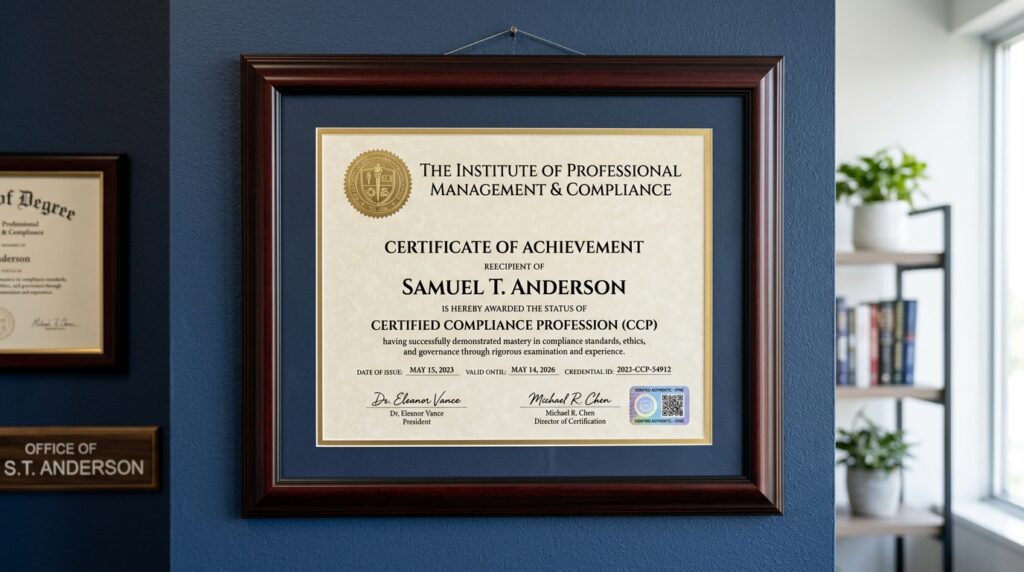
If You Think You’ve Already Been Scammed
If you have already sent money to someone matching several of the signs above, you are not the first person to sit across from me having done exactly that, and there is no benefit in feeling foolish about it. Scam casters are practiced at exactly this kind of manipulation, and falling for a well-run version of it says nothing about your judgment in ordinary circumstances. Acting quickly and methodically now matters more than dwelling on how it happened. Contact your bank or payment provider immediately to ask about a chargeback or dispute, especially if the payment went through a card or a traceable bank transfer rather than a gift card or cryptocurrency. Card networks and many banks have specific fraud-dispute processes for exactly this kind of payment, and the sooner you file, the better your odds of recovering something. If the caster operates a business page on a platform like Instagram, Facebook, or Etsy, report the account directly through that platform’s fraud reporting tools as well, since a pattern of reports is often what eventually gets a repeat offender’s account removed. Stop responding to further requests for “obstacle fees,” since paying one more time almost never ends the pattern, it only confirms to the other side that you will keep paying. If the caster has any of your personal information beyond what was strictly necessary, a full name, an address, photos, consider whether you need to take any additional privacy precautions, such as changing passwords on accounts you may have mentioned or reused. And if you are unsure whether what happened was an outright scam or simply a legitimate but ineffective working from someone undertrained, a second opinion during a free consultation can usually tell you which one it was, and whether anything is worth pursuing further. Finally, consider writing down what happened while it is still fresh, dates, amounts, screenshots of messages, the account or website name. Even if you never use it for a formal report, having a clear record makes it much easier to recognize the same pattern faster if you encounter it again, and it is genuinely useful if you do decide to report the account to a platform or file a dispute with your bank.What to Do Next, Depending on How You Paid
Act quickly, because the first days matter most. The FTC’s guidance on what to do if you were scammed splits the steps by payment method.
- Credit card: call the card issuer, say the charge was fraud, and ask to dispute it.
- Debit card or bank transfer: contact your bank or credit union right away and ask whether the payment can be reversed.
- Wire transfer through a service such as Western Union or MoneyGram: contact the company at once, explain that you were scammed, and ask for a reversal.
- Gift card: call the company that issued the card, report the fraud, and keep the card and receipt.
- Payment app: report it to the app and ask for a reversal.
- Cryptocurrency: contact the exchange or machine operator. The FTC notes that crypto lacks the protections that cards have, so recovery is harder.
Where to report it
File a report at reportfraud.ftc.gov, the FTC’s fraud reporting site. Reports help investigators spot patterns and build cases even when your own money cannot be recovered. You can also contact the Better Business Bureau’s Scam Tracker, use the complaint form at Fraud.org, or call the AARP Fraud Watch Network helpline at 877-908-3360. If someone is threatening you, add your local FBI field office to the list.
Beware of the second scam
People who have been defrauded once are often contacted again by someone claiming they can recover the money, for a fee, or by the same operator under a new name offering a “corrective” spell. Do not pay to get money back. Real recovery routes, such as your bank or the FTC, do not charge you.
Be kind to yourself
Being scammed says nothing bad about your intelligence. These scripts are written for people who are hurting. If shame or despair is weighing on you, talk to someone you trust. Spiritual work does not replace medical or mental-health care. If you are in crisis, call or text 988 in the United States, and call 911 if you are in immediate danger.
One More Check Worth Doing Yourself
Before you commit to anyone, run a simple search on the caster’s exact name and business name together, in quotation marks, alongside the word “review” or “complaint.” A real, established practice will have a footprint that predates your search. A newly created page with a generic name, a stock photo avatar, and no history anywhere else online is worth treating with real caution, regardless of how the individual conversation goes. It is also worth checking how long the website or social account has actually existed. Domain registration lookups are free and take seconds, and a site that was registered a matter of weeks ago, despite claiming decades of family tradition or thousands of satisfied clients, is telling you something important about which of those two claims to believe. With that in mind, the same applies to a social media account: if it was created recently, has a burst of generic-looking engagement, and offers spellcasting services within its first handful of posts, treat the account’s claimed history with real skepticism regardless of what the bio says.
Frequently Asked Questions
What’s the biggest red flag when hiring a love spell caster?
A guaranteed-results promise is the single clearest warning sign, because no honest practitioner can promise to override another person’s free will. Combined with untraceable payment methods, it is close to a certain sign of a scam.Is it normal to pay for materials but not the spell itself?
Yes, and it is one of the clearest signs of a legitimate practice. A materials-only structure means the cost is tied to something real and checkable, candles, herbs, oils, rather than an arbitrary fee for the ritual itself.Can I get my money back if a spell caster scams me?
It depends on the payment method. A card payment or bank transfer can sometimes be disputed through your bank; a gift card or cryptocurrency payment is much harder to recover, which is exactly why scam operations prefer those methods.How do I check if a spell caster’s reviews are real?
Look for reviews on a platform the caster does not control, rather than testimonials posted only on their own site. A real, checkable reviews page, like the one linked in this article, is meant to be verified independently, not just trusted.Is “guaranteed results” always a scam claim?
In this field, yes. No spiritual tradition can honestly claim to override another person’s free will or guarantee a specific outcome. A practitioner who states this as fact is either untrained or being deliberately dishonest about the limits of the work.More Questions About Spotting a Fake Caster
Why would a caster ask for my ex’s phone number?
Usually to run the missed-call trick described above. A caller-ID app can make a call appear to come from that number, and the “proof” is used to keep you paying. A caster who needs a phone number to begin is a warning in itself.
Is it a scam if the first payment was small?
It can be. A small first charge is a common way to test whether you will pay again. What matters is what follows: new problems, new fees, and pressure when you hesitate.
Do honest casters offer refunds?
Policies vary, and some honest practitioners do not refund spiritual work. What separates them from fraud is that the terms are written, plain, and given to you before you pay. Ask for the terms first and be wary of any answer you cannot read.
Are online reviews enough to trust someone?
No. Reviews can be bought, copied, or written by the operator. Read the complaints, look for details that are specific and different from one another, and weigh them against what the person shows about who they are.
Is it safe to pay through a card or payment app?
A credit card gives the strongest protection because federal law lets you dispute unauthorized use. Payment apps, wires, gift cards, and cryptocurrency are the methods the FTC says scammers prefer, since they are hard to reverse.
What should I do if a caster threatens me?
Stop responding, save the messages, and do not pay. Report it at reportfraud.ftc.gov and to your local FBI field office. If you feel in danger, call 911. The National Domestic Violence Hotline is at 1-800-799-7233 if the threats come from someone close to you.
Can spiritual work replace legal or medical help?
No. Spiritual practice is a matter of belief and works alongside professional help, not instead of it.
Trust What You Can Verify
Every sign in this article points at the same underlying question: can you actually check what this person is telling you, or are you being asked to take it entirely on faith, from a stranger, while you are already hurting? A real caster welcomes that scrutiny because they have nothing riding on you not looking closely. If you want a second, honest opinion on a situation before you commit to anyone, that conversation costs nothing, and I will tell you plainly what I actually see. With that in mind, you do not need to become an expert in spiritual practice to protect yourself here. You need a short list of checkable facts, applied consistently, before any money changes hands. Eight signs, a handful of verification steps, and the willingness to walk away the moment a caster resists being checked. That is the entire defense, and it works regardless of how convincing the pitch on the other side happens to be.A love spell caster scam becomes easier to spot when you verify identity, reviews, pricing, boundaries, and refund terms before sending money.
A Free Conversation Before Any Decision
If you would like to ask your questions to someone before you commit to anything, the consultation is free, and you are under no obligation to continue. Baba Ali works with consent first, declines cases involving abuse or no-contact orders, charges for materials only, and leaves any donation until after results, entirely up to you. Read more on the ethical love spell practice page, or book your free love spell consultation when you are ready.
See also: Love Spell Caster With No Upfront Payment.



Ready to Reunite With Your Soulmate?
If the signs are speaking to you, do not let the moment pass. Book a free consultation with Baba Ali and discover the clearest next step for your situation.